What testosterone actually does
Testosterone is the main male sex hormone, but its job goes well beyond sex drive. It helps your body build and keep muscle, maintain bone density, make red blood cells and store fat in a healthy pattern. It also influences mood, motivation and day-to-day energy. Most of it is produced in the testes, and the brain signals how much to make.
Why levels change over time
Levels usually peak in early adulthood and then slowly decline, often by about 1% a year from middle age. That drift is a normal part of ageing. What surprises many men is how much everyday habits can add to it.
- Sleep: a lot of daily testosterone is produced overnight. Short or broken sleep can lower it within days.
- Body weight: extra body fat, particularly around the waist, is linked to lower levels.
- Stress and alcohol: long-term stress raises cortisol, and heavy drinking can suppress testosterone.
- Activity: strength training helps. Overtraining with too little rest or food can work against you.
- Health conditions and medicines: diabetes, some medications and other conditions can play a role.
Signs worth paying attention to
Feeling tired now and then is normal. It becomes worth a conversation with your doctor if several of these stick around for weeks:
- Constant fatigue that sleep doesn't fix
- A clear drop in sex drive or trouble with erections
- Losing muscle or gaining fat without a change in habits
- Low mood, irritability or trouble concentrating
These symptoms have many possible causes, including thyroid problems, sleep apnea and depression. A doctor can check with a simple morning blood test and rule out other explanations.
Start with the basics
Before any supplement, the biggest gains usually come from the same few things: seven to nine hours of sleep, regular strength training, a balanced diet with enough protein and healthy fats, moderate alcohol and finding ways to manage stress. If you do those consistently, you're already doing most of what the research supports.
Where a supplement fits
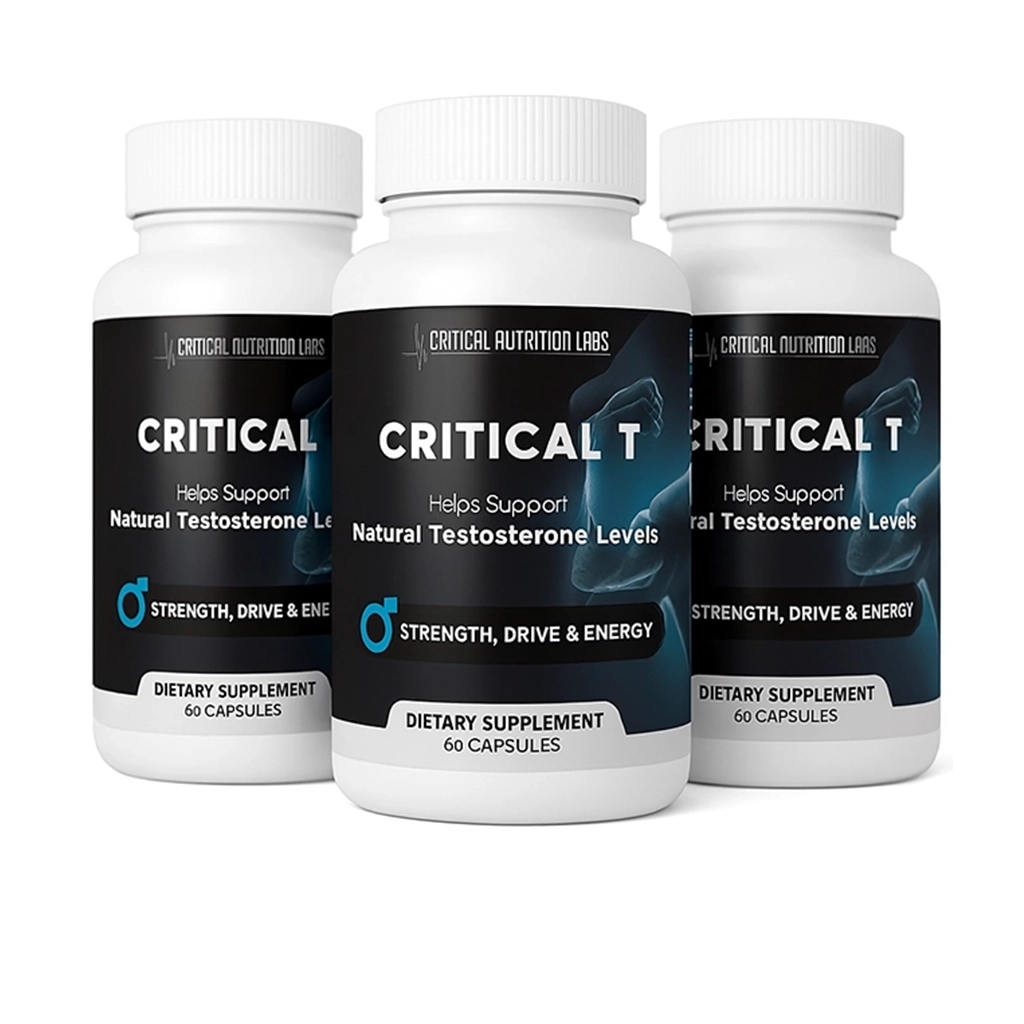
A supplement like Critical T is designed to sit on top of those habits, not replace them. It provides nutrients that play a role in normal hormone production and energy metabolism, which can help if your diet has gaps. It isn't testosterone, it isn't a medicine, and it isn't meant to treat low testosterone. Results vary between people and usually build over weeks of consistent use.
When to see a doctor
See a healthcare professional if you have persistent symptoms, if you take prescription medication, or if you've been diagnosed with low testosterone. If you're prescribed treatment, follow your doctor's plan and ask before adding any supplement.